
Why Regular Portfolio Rebalancing Matters for Long-Term Investors
Rebalancing an investment portfolio is one of the simplest yet most powerful ways to keep a financial plan aligned with long‑term goals. Markets move constantly, and without regular adjustments, even the most carefully designed portfolio can drift away from its intended strategy. Understanding why rebalancing matters—and how it supports long‑term stability—helps investors stay grounded, disciplined, and aligned with their risk tolerance over time.
What Is Portfolio Rebalancing?
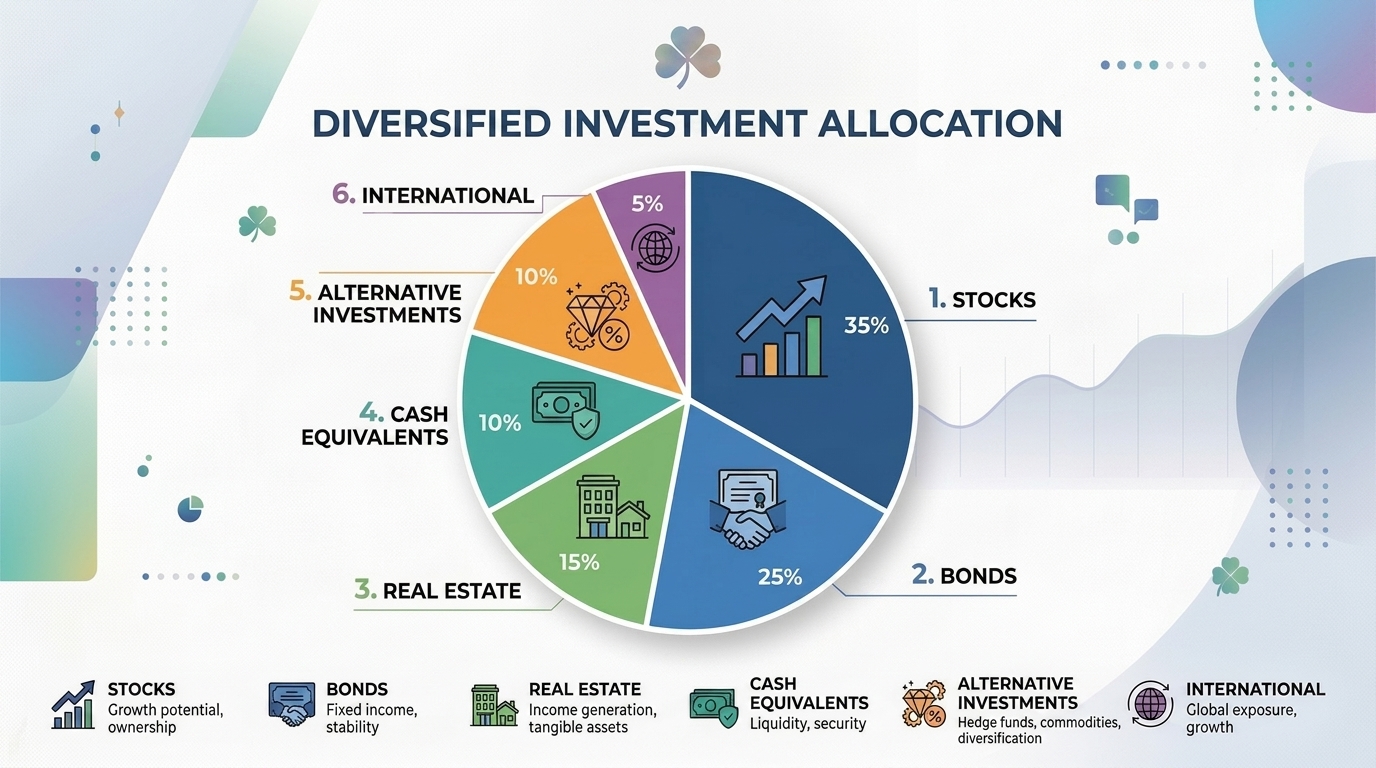
Portfolio rebalancing is the process of adjusting investments back to their intended mix. As different asset classes rise or fall in value, the portfolio naturally shifts. Rebalancing restores that original blend by trimming areas that have grown beyond target levels and adding to areas that may have lagged. The goal is not to chase performance but to maintain consistency with your financial plan.
Why Portfolios Drift Over Time
Market volatility is the primary reason portfolios drift. When one sector or asset class performs well, it may begin to dominate a larger share of the portfolio than originally planned. While this growth may seem positive at first glance, it also introduces unintended concentration risk. Left unchecked, these imbalances can expose investors to more volatility than they are comfortable with or than is appropriate for their goals.
Similarly, when certain parts of the portfolio underperform, they may shrink relative to other holdings. Although this can feel counterintuitive, buying into areas that have dipped maintains diversification and lowers volatility.
Risk Management Through Discipline
One of the strongest arguments for portfolio rebalancing is its role in risk management. Every investor begins with an asset allocation designed around their personal goals, time horizon, and comfort with market fluctuation. If that allocation shifts materially, the portfolio may no longer reflect the investor’s intended risk level. Rebalancing brings the portfolio back into alignment, helping investors avoid taking on more or less risk than planned.
For example, an investor who originally aimed for a balanced mix could unknowingly end up with a much more aggressive portfolio after a strong market rally. Rebalancing helps keep these shifts in check, supporting long‑term stability.
A Strategy That Supports Long-Term Behavior
Emotions can influence financial decisions, especially during periods of market stress or excitement. Rebalancing provides a rules‑based framework that reduces emotional decision‑making. Instead of reacting to headlines or momentary shifts in the market, investors rebalance according to a thoughtful schedule or threshold—helping them stay focused on what truly matters: long‑term outcomes.
By establishing a consistent rebalancing process, investors reinforce healthy habits such as reviewing their goals, evaluating risk tolerance, and making adjustments only when appropriate. This disciplined behavior can help prevent impulsive decisions that may undermine long‑term success.
The Role of Diversification
Diversification is a foundational principle of sound investing, and rebalancing plays a critical role in maintaining it. Without periodic adjustments, a portfolio can gradually become less diversified, increasingly relying on the performance of a narrower set of assets. This concentration can make the portfolio more vulnerable to downturns.
Rebalancing ensures the portfolio continues to reflect a thoughtful mix of investments—spreading risk and enhancing potential resilience over time.
When Should You Rebalance?
There is no universal rule for how often to rebalance, but many investors follow a consistent schedule, such as annually or semiannually. Others prefer a threshold‑based approach, adjusting the portfolio when an allocation drifts beyond a defined boundary. The right approach depends on personal goals, investment complexity, and individual preferences.
Working with a professional advisor, such as the team at Red Clover Wealth Management, can help determine a rebalancing strategy that aligns with your overall financial plan. The key is consistency—choosing a method and sticking with it, rather than reacting to short‑term market movement.
How Rebalancing Supports Financial Confidence
Ultimately, rebalancing reinforces confidence and clarity. When investors know their portfolio is aligned with their long‑term goals, it becomes easier to stay focused during periods of volatility. A well‑maintained portfolio helps reduce uncertainty, support financial resilience, and provide peace of mind as markets evolve.
Red Clover Wealth Management emphasizes personalized, goals‑based planning. Rebalancing is one of the many tools used to help ensure investment strategies stay aligned with what matters most to clients over time.
FAQ
Is rebalancing the same as market timing?
No. Rebalancing is a disciplined, long‑term process designed to maintain target allocations—not an attempt to predict or react to short‑term market movements.
Does rebalancing mean selling investments that are performing well?
Sometimes, yes. Rebalancing can involve trimming positions that have grown beyond target levels. This is not a penalty for good performance but a way to manage risk and maintain diversification.
How often should a portfolio be rebalanced?
There is no single correct frequency. Some investors rebalance on a set schedule, while others rebalance when allocations drift beyond a chosen threshold. A financial advisor can help determine the approach that best fits your strategy.
Can rebalancing help reduce risk?
Yes. By keeping the portfolio aligned with its intended allocation, rebalancing helps ensure investors do not take on more or less risk than they originally planned.
Should all types of accounts be rebalanced?
Most diversified portfolios benefit from rebalancing, but the approach may vary depending on the type of account and personal circumstances. An advisor can help determine the most efficient method.